
fire proof glass panels
Truss Mending Nail Plates for Wooden Villa Houses A Comprehensive Guide In the construction of wooden villa houses, one of the essential components that ensure structural integrity and longevity is the use of truss mending nail plates. These metal plates play a crucial role in reinforcing the connections between various wooden elements, providing the necessary strength and stability to withstand various environmental challenges. In this article, we will explore what truss mending nail plates are, their benefits, applications, and best practices for using them in wooden villa construction. What are Truss Mending Nail Plates? Truss mending nail plates are typically made of galvanized steel or other high-strength materials, designed to enhance the structural performance of wooden trusses. These plates, often shaped like thin sheets with pre-drilled holes or spikes, are affixed to the surfaces of wooden members using nails or screws. The primary function of these plates is to distribute loads effectively across the wood surface, ensuring a more stable connection between truss components such as rafters and chords. Benefits of Using Mending Nail Plates 1. Enhanced Structural Integrity Truss mending nail plates significantly increase the load-bearing capacity of wooden structures. By distributing stress over a larger area, they help prevent failures at the joints, which are often the weakest points in wooden constructions. 2. Ease of Installation With pre-drilled holes, mending nail plates can be easily installed using standard nails or screws. This simplicity in application makes them an attractive option for builders looking for efficient ways to reinforce wooden structures. 3. Cost-Effectiveness Compared to other reinforcement methods, such as additional framing or more complex steel connectors, mending nail plates are relatively inexpensive. This affordability makes them a popular choice among contractors focusing on budget-friendly construction practices. 4. Durability Made from weather-resistant materials, these plates can withstand various environmental conditions, including moisture and temperature fluctuations, ensuring that the structural integrity of the villa remains intact over time. 5. Aesthetic Versatility Mending nail plates can be used in various architectural designs without compromising the visual appeal of the wooden villa . They can be concealed within the frame or incorporated into the design, depending on the desired aesthetic. truss mending nail plate for wood villa house Applications in Wooden Villa Construction In wooden villa houses, truss mending nail plates are commonly used for connecting various truss components. Whether reinforcing roof trusses or framing for walls, these plates can enhance the robustness of the entire structure. Some typical applications include - Roof Trusses Connecting rafters to the top chord or supporting beams ensures the roof can bear heavy loads, such as snow or additional structural weight. - Floor Joists Providing additional support at the junctions where joists meet beams, helping to eliminate potential bouncing or flexing. - Wall Framing Strengthening the connections at the corners and intersections of wall studs, which is vital for the overall stability of the house. Best Practices for Using Truss Mending Nail Plates 1. Proper Sizing Ensure that the nail plates used are appropriately sized for the wooden elements they will be reinforcing. The right dimensions help optimize strength without adding unnecessary weight. 2. Correct Installation Technique Follow manufacturers’ guidelines for installing the plates, such as spacing, type of fasteners, and the number of nails or screws required. Improper installation can negate the benefits these plates offer. 3. Periodic Inspections After construction, it is recommended to perform periodic inspections of the nail plates and their connections. Identifying and addressing potential issues early can prevent severe structural problems down the line. 4. Combine with Other Reinforcement Methods While mending nail plates are highly effective, their use can be complemented with other reinforcement techniques to create a more robust overall structure. Conclusion Truss mending nail plates are invaluable tools in the construction of wooden villa houses. They provide enhanced structural integrity, ease of installation, and cost-effectiveness, making them essential for any builder or architect specializing in wooden structures. By understanding their benefits and applications, and adhering to best practices, builders can ensure that their wooden villas are not only beautiful but also remarkably sturdy and capable of standing the test of time. Embracing these components can lead to more durable and safe homes, ensuring that families enjoy their wooden havens for generations to come.
about
fire proof glass panels
The Versatile Small Magnetic V Block A Fundamental Tool for Precision Work In the fields of machining, engineering, and metalworking, precision is paramount. One of the lesser-known yet invaluable tools aiding in achieving this precision is the small magnetic V block. This simple yet effective tool plays a crucial role in a variety of applications ranging from layout and inspection to milling and grinding operations. What is a Small Magnetic V Block? A small magnetic V block is a device that features a V-shaped groove and is equipped with a magnet, allowing it to securely hold cylindrical objects in place. The magnetic base provides a stable footing, ensuring that the block adheres firmly to metal surfaces during work processes. This design is particularly advantageous when dealing with round workpieces, such as shafts or rods, where traditional vises or clamps could prove cumbersome or ineffective. Key Features and Benefits 1. Stability and Security The magnetic base ensures that the V block remains firmly in place, reducing the risk of movement during machining processes. This stability is critical in maintaining alignment and achieving accurate measurements. 2. Versatility Small magnetic V blocks can accommodate a range of sizes and shapes, making them suitable for various applications, including milling, grinding, and inspection. They can hold workpieces in both horizontal and vertical orientations, further enhancing their utility in diverse operations. 3. Ease of Use The convenience of quickly attaching and detaching the small magnetic V block saves time in the workshop. This efficiency is particularly important in production environments, where minimizing downtime can lead to significant cost savings. 4. Portability Their compact size makes small magnetic V blocks easy to transport and store . This portability allows machinists and engineers to use them in different setups without having to invest in multiple specialized tools. small magnetic v block 5. Durability Typically made of hardened steel or other robust materials, these V blocks are designed to withstand the rigors of industrial environments. Their durability ensures a long lifespan, making them a cost-effective investment for professionals. Applications of the Small Magnetic V Block 1. Machining Operations In milling and grinding, small magnetic V blocks enable secure clamping of cylindrical parts. This precision is vital for tasks like creating flat surfaces or intricate profiles. 2. Inspection and Measurement For quality control purposes, the magnetic V block serves as a stable platform for inspecting workpieces. When used in conjunction with calipers and micrometers, it aids in accurately measuring the dimensions of components. 3. Welding and Fabrication In welding applications, magnetic V blocks assist in holding workpieces at precise angles, ensuring consistent and accurate welds. By keeping parts aligned, they contribute to the integrity of the final product. 4. Layout Work During the layout process, small magnetic V blocks provide a reliable means of holding workpieces in position while marking out dimensions and locations for cuts, holes, and other features. 5. Educational Purposes In educational settings, these tools are often used to teach students about precision measuring techniques and metalworking principles, providing hands-on experience with practical tools. Conclusion In summary, the small magnetic V block is an essential tool that facilitates precision in various machining, inspection, and fabrication processes. Its combination of stability, versatility, and ease of use makes it invaluable in industrial settings, educational institutions, and DIY workshops alike. As manufacturing processes continue to evolve, the role of such tools remains critical in achieving the high standards of accuracy and quality demanded in today’s competitive landscape. Investing in a small magnetic V block is not just about acquiring a tool; it’s about enhancing capabilities and achieving excellence in craftsmanship. Whether you are a seasoned professional or a budding enthusiast, incorporating a small magnetic V block into your toolkit can significantly improve your work quality and efficiency.
-

High quality industrial productsagement

High quality industrial products
View Details -

Meet the diverse needs of customers

Meet the diverse needs of customers
View Details -

Strict quality control

Strict quality control
View Details -

Top raw materials

Top raw materials
View Details -

Trusted supplier

Trusted supplier
View Details
Our application


news and information

Welding Techniques for Achieving Precision with V Blocks in Fabrication Processes
The Importance of Welding V Blocks in Precision Engineering Welding v blocks are essential tools use

Welding Table Cast Iron Surface Finish Guide
As a wholesaler in the welding equipment industry, understanding the intricacies of welding table ca
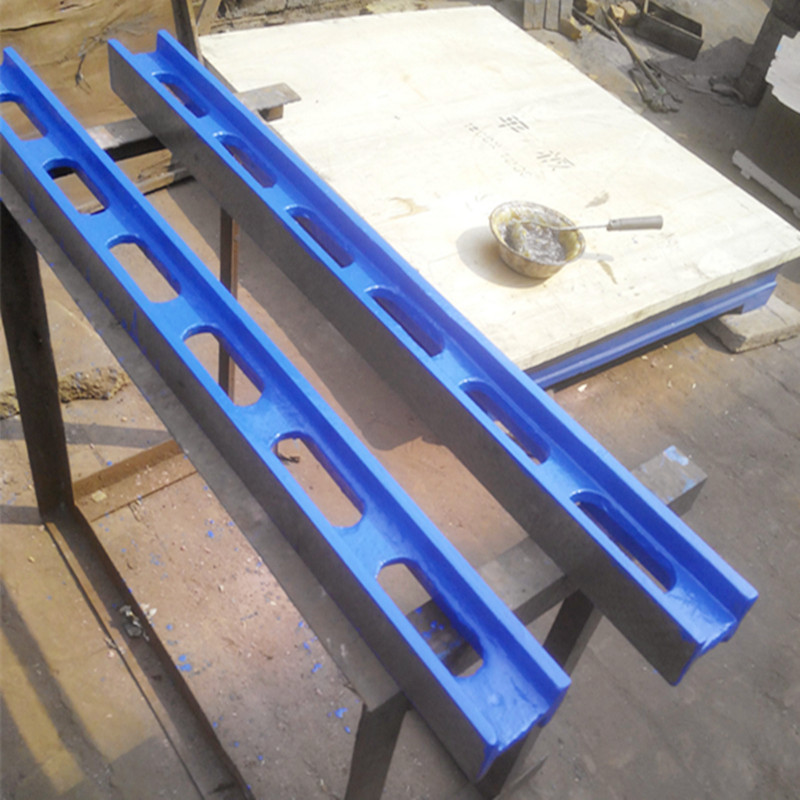
Welding Fabrication Table for Streamlined Metalworking Processes and Efficiency
Understanding Welding Fabrication The Importance of the Welding Fab Table Welding fabrication is a c
 English